 Skip to content

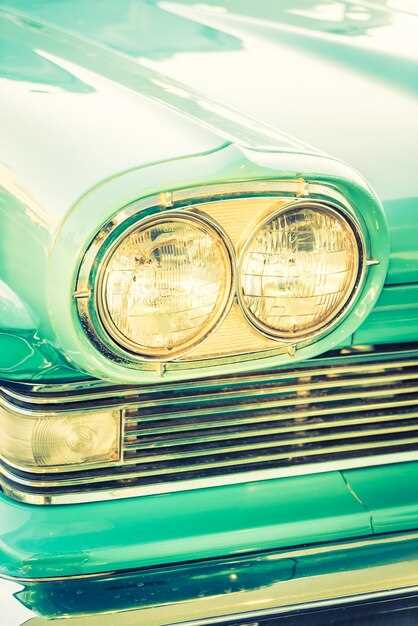
Capturing the allure of vintage cars requires not just a good eye but also an understanding of how lighting can elevate your photography. The unique curves, intricate details, and classic finishes of these automobiles deserve to be showcased in the best possible light. By mastering lighting techniques, you can create images that not only highlight the beauty of the car but also evoke nostalgia and emotional resonance.
Natural light can be your best friend when it comes to vintage car photography. Shooting during the golden hour–the time shortly after sunrise or before sunset–allows the warm tones to complement the car’s colors, enhancing its vintage appeal. However, when conditions aren’t ideal, artificial lighting can fill in gaps and provide necessary highlights. Understanding how to manipulate both natural and artificial light sources will enable you to achieve the stunning results you strive for.
In this article, we’ll explore essential lighting tips and techniques specifically targeted at vintage car photography. From positioning your subject effectively to utilizing reflectors and diffusers, these guidelines will help you produce breathtaking photographs that tell a story through light and shadow.
Choosing the Right Time of Day for Optimal Lighting
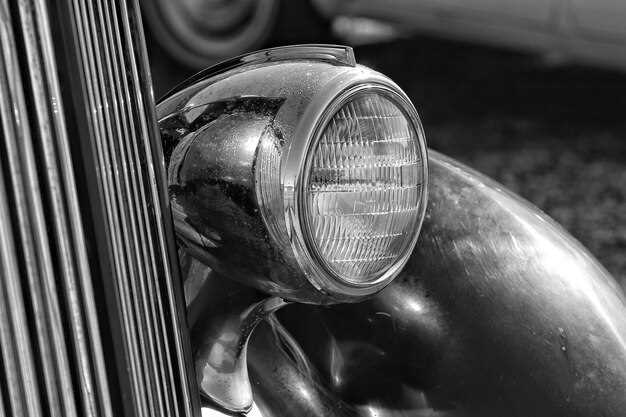
In vintage car photography, the timing of your shoot can greatly influence the overall quality of the images. The two most recommended times for capturing stunning photographs are the golden hour and the blue hour. The golden hour occurs shortly after sunrise and before sunset, when the sunlight is warm and soft, creating a beautiful glow that enhances the vintage aesthetics of classic cars. During this time, shadows are elongated, adding depth and dimension to the images.
The blue hour, which takes place just before sunrise and after sunset, offers a unique lighting condition characterized by cooler tones and a serene ambiance. This period can create a dramatic effect, contrasting the vintage automobile against a deep blue sky or twilight backdrop. For car photography, it’s crucial to consider the natural light’s angle; lower angles at these times highlight the car’s curves, chrome, and paint texture more effectively.
Avoid shooting during midday when the sun is overhead, as the harsh lighting can create unflattering shadows and highlights, diminishing the car’s lines. Experiment with different times of day to discover how varying lighting conditions impact your photography style. By strategically planning your shoots around these optimal times, you can achieve vibrant, visually appealing images that truly showcase the timeless beauty of vintage cars.
Utilizing Natural Light and Reflectors for Enhanced Details
Natural light plays a crucial role in vintage car photography, enhancing textures and details while showcasing the vehicle’s unique character. The right lighting can elevate your images from ordinary to extraordinary.
When working with natural light, consider these key points:
- Time of Day: The golden hours–shortly after sunrise and before sunset–provide soft, warm light, minimizing harsh shadows and creating a flattering glow.
- Weather Conditions: Overcast days offer diffused lighting, which reduces glare and highlights intricate details of the car without the risk of blown-out highlights.
- Direction of Light: Position the car so that the light comes from the side or at an angle, enhancing contours and reflections.
In addition to utilizing natural light, reflectors can significantly enhance your photography:
- Types of Reflectors: Use white, silver, or gold reflectors to bounce light onto the subject. Each type affects the color temperature and contrast of the image differently.
- Placement: Position reflectors opposite the light source to fill in shadows, ensuring that the car’s details are visible and well-lit.
- DIY Options: If commercial reflectors are unavailable, use materials like foam boards or even car windshield sunshades to create effective homemade reflectors.
By combining natural light with strategic reflector use, you can emphasize the vintage car’s features, creating visually stunning photographs that capture the essence of classic automobiles.
Creative Use of Artificial Lighting in Vintage Car Shoots
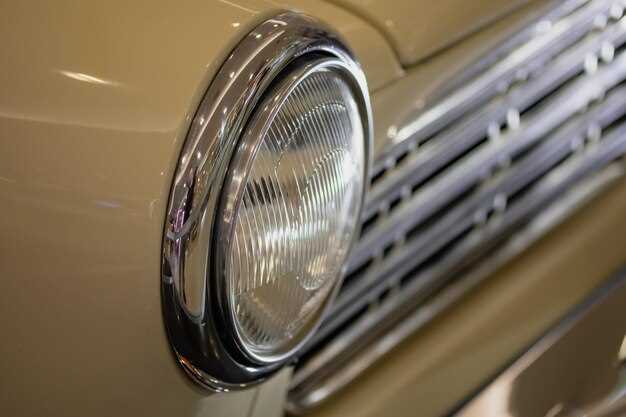
When capturing the elegance of vintage cars, artificial lighting can play a crucial role in enhancing their timeless beauty. Using creative lighting techniques allows photographers to highlight curves, textures, and unique features that define classic vehicles.
One effective method is using flash or LED lights to create dramatic shadows that accentuate the car’s lines. By positioning the light at various angles, you can produce a three-dimensional effect, making the vehicle appear more dynamic and visually interesting in your photography.
Additionally, colored gels can be applied to lights to evoke a specific mood or to complement the car’s color scheme. For instance, using warm tones can enhance the nostalgic feel, while cooler hues can add a modern twist. Experimenting with these colors can lead to stunning results that captivate the viewer.
Front lighting can be effective for showcasing the details on the hood and grille, while backlighting may create a stunning silhouette effect, emphasizing the car’s overall shape. Using multiple light sources allows for even more creativity; you can layer lights to achieve unique reflections, particularly on chrome details that are abundant in vintage vehicles.
Finally, consider the environment. If shooting indoors, manipulating ambient light sources alongside your artificial lights can further enhance your composition. Outdoors, using reflectors can direct light back onto the car, reducing harsh shadows and providing an even illumination that flatters the subject.
Incorporating artificial lighting in vintage car photography opens up a world of creative possibilities that can elevate your images and draw attention to the beauty of classic automobiles.


